More than 30 years of experience in the field of HVAC

055 20 325 30

Ordering or information

Email

Ordering or information

055 20 325 30

Ordering or information

Email

Ordering or information

NTC 10k sensors – Characteristics, advantages and disadvantages

Characteristic, advantages and disadvantages

An NTC10k sensor is a temperature sensor based on a negative temperature coefficient (NTC), which means the sensor’s resistance decreases as temperature increases. Here are the advantages and disadvantages of NTC10k sensors, along with their common applications:

Advantages:

  • High sensitivity: NTC10k sensors generally have high sensitivity to temperature changes, meaning that even small temperature variations can result in noticeable changes in resistance.
  • Wide temperature range: They can be used across a wide range of temperatures, depending on the specific type of NTC sensor, making them versatile for various applications.
  • Low cost: NTC10k sensors are often cost-effective compared to some other types of temperature sensors, making them suitable for applications where budget is a significant consideration.
  • Easy integration: They can be easily integrated into electronic circuits due to their relatively simple construction and compatibility with standard measurement equipment.

Disadvantages:

  • Lower accuracy: Compared to sensors such as PT100 or thermocouples, NTC10k sensors are generally less accurate, especially at very low or very high temperatures.
  • Lower stability: NTC10k sensors can be prone to long-term drift, which may lead to deviations in measurement results over time.
  • Limited linear response: Their resistance-versus-temperature curve is not always perfectly linear, which can complicate interpretation of measurement data, especially over a wide temperature range.

Applications:

  • HVAC systems: NTC10k sensors are widely used in heating, ventilation, and air conditioning systems for temperature control and monitoring.
  • Electronics: They are used in electronic devices such as thermostats, refrigerators, ovens, etc., to measure temperature and control device operation based on temperature.
  • Automotive: NTC10k sensors are applied in vehicles to measure engine temperatures, control cooling systems, and regulate climate control.
  • Medical applications: They can be used in medical equipment for patient temperature measurements, for example in thermometers.

Overall, NTC10k sensors are used in situations where high sensitivity, cost-effectiveness, and easy integration are important factors, particularly in applications requiring accurate temperature monitoring and control.

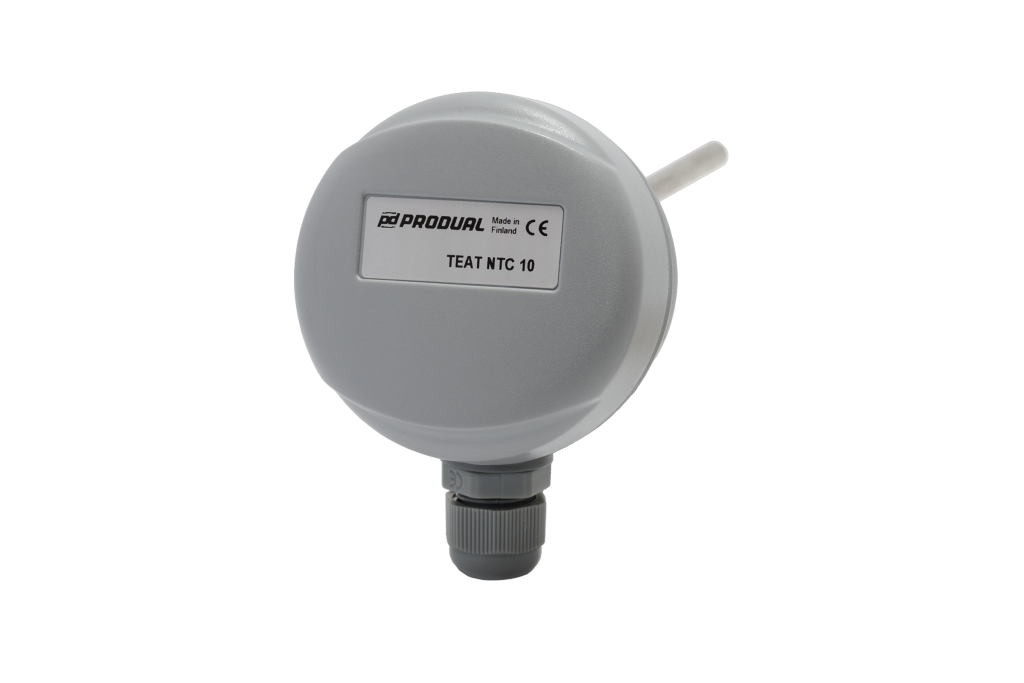
These sensors are available in many forms, for example as cable probes, surface-mounted probes, outdoor probes, room sensors, duct sensors, etc.

TEMPERATURE NTC 10k SENSOR
°C
-50
-40333.110,00
-30175.794,00
-2096.645,00
-1055.169,00
032.600,00
1019.886,00
2012.490,00
2510.000,00
308.058,40
405.329,70
503.606,50
602.492,50
701.756,50
801.260,50
90919,80
100681,80
110512,70
120390,80
130301,70
140235,60
150186,00

Featured news

TEAT NTC1.8

Difference between NTC and PTC thermistors

Temperature measurement is one of the basic principles in climate control systems. Sensors are installed everywhere to provide measurements to controllers. A common type is the thermistor. However, there are...

Read more >

What is demand-controlled ventilation (DCV) with CO₂ and humidity measurements?

Ventilating buildings consumes energy. Traditional systems often operate at a fixed airflow, whether ten people are in a meeting room or no one. Demand-controlled ventilation, also called DCV (Demand Controlled...

Read more >

long weekend

Long weekend – Ascension Day

Dear all, On Thursday (Ascension Day), 14 May and Friday, 15 May 2026, we will be closed and will be enjoying an extra-long weekend. 🌿☀️ From Monday we will be...

Read more >

What are potential contamination effects on moisture and gas sensors?

Sensors in climate control systems are continuously exposed to the ambient air. That air contains more than just the substances you want to measure. Dust, grease, chemical vapors and condensation...

Read more >

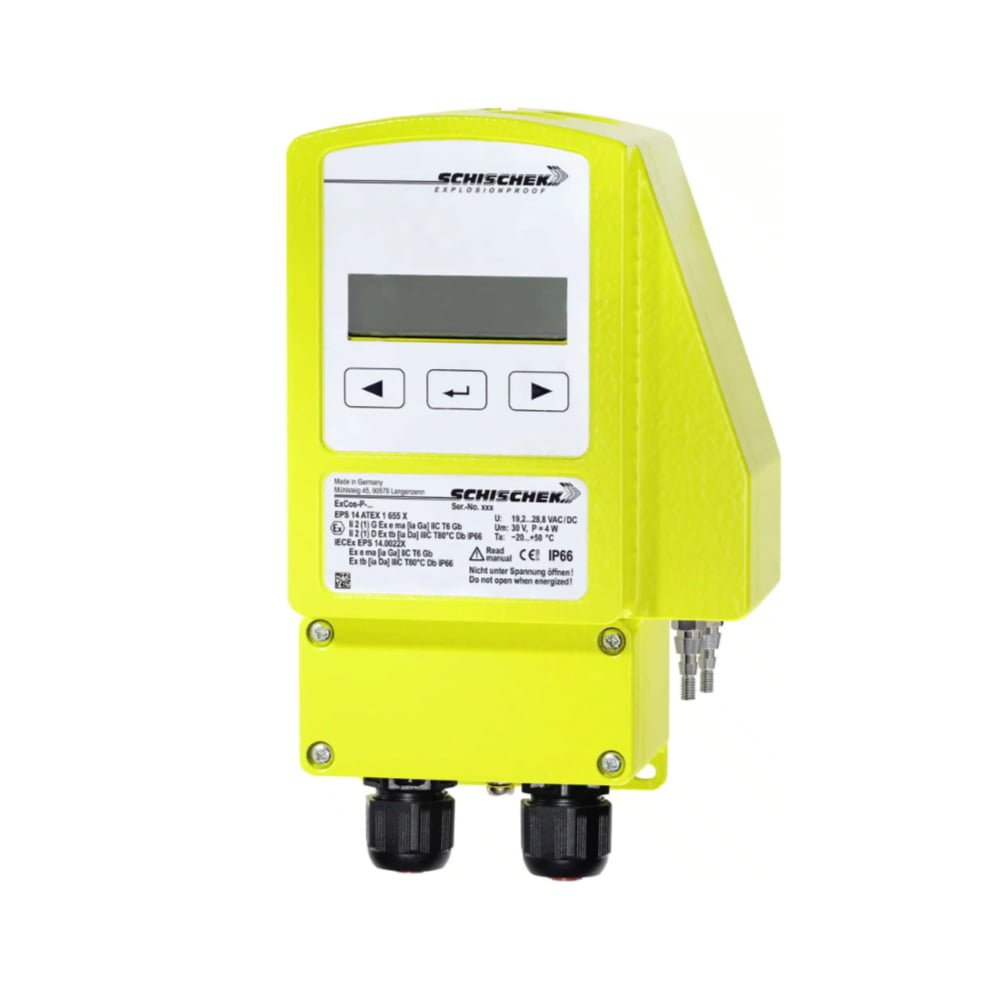
ExCos-P

What is the difference between absolute and relative pressure sensors?

Pressure sensors are indispensable in climate systems and building automation. They measure air pressure, monitor filters and oversee systems. Which type suits your situation? That depends on how the sensor...

Read more >

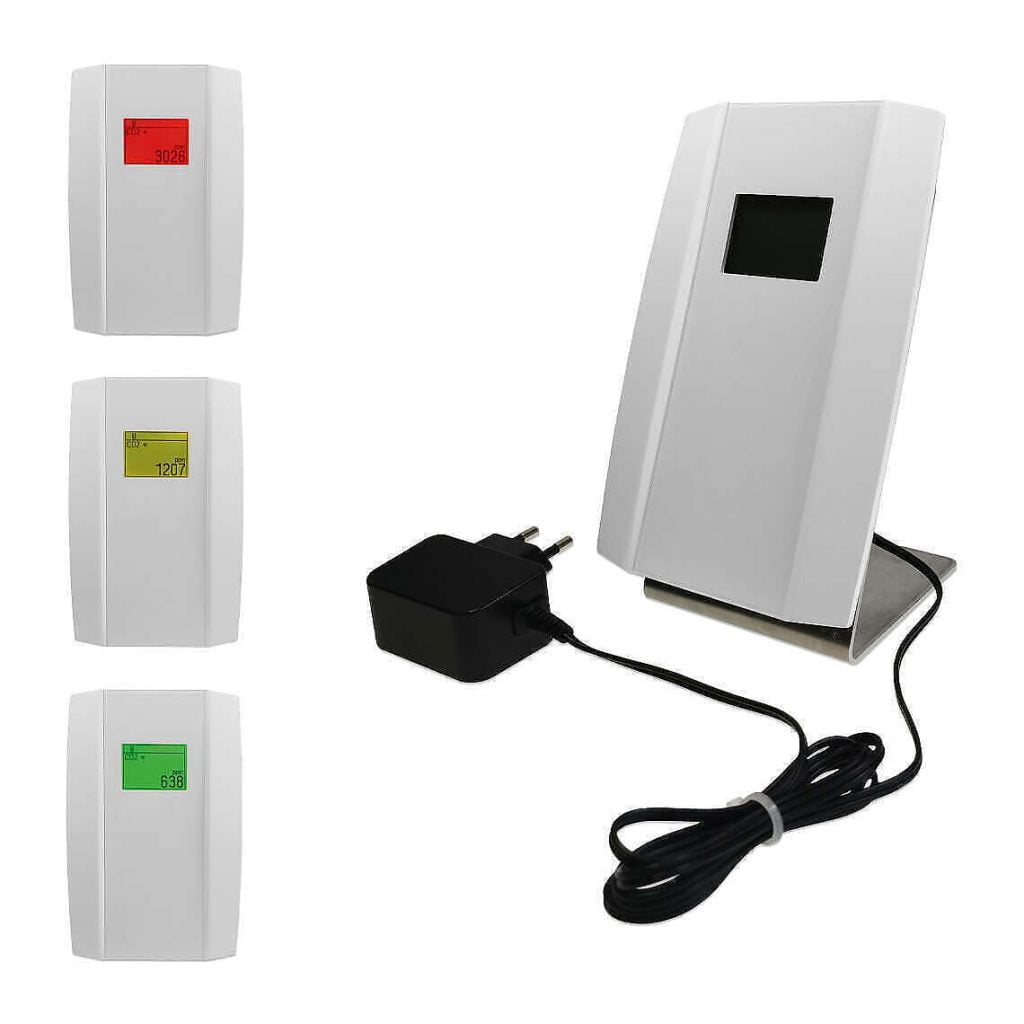
cdt-2000 CO2 transmitter

All about NDIR CO₂ sensors: operation and applications

All about NDIR CO₂ sensors: operation and applications Measuring air quality starts with reliable sensor technology. In HVAC systems and building automation, the NDIR CO₂ sensor has become the standard...

Read more >

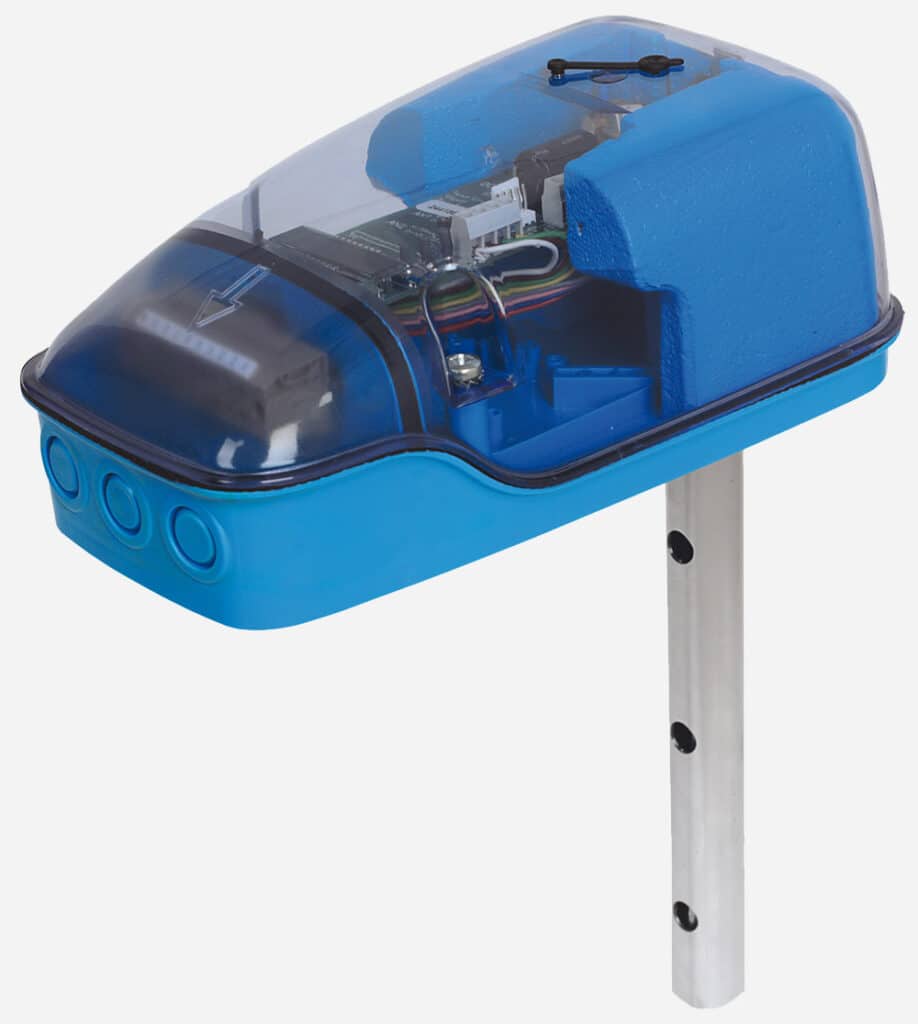
VanSensor

From sensor to smart action: how measurement truly makes buildings intelligent

Measuring is knowing – but what does that actually mean? “Measuring is knowing” is one of those sayings everyone recognizes but seldom reflects on. At its core it simply means...

Read more >

hkinstruments_building

Which HVAC sensor do you choose for temperature, humidity or pressure?

Which HVAC sensor do you choose for temperature, humidity or pressure?Sensors are the foundation of any climate control system. They measure what is happening in your building and transmit that...

Read more >

Produal-DPT

Produal DPT Differential Pressure Sensor – Features and Applications

The DPT series differential pressure sensors from Produal (formerly HK Instruments) are specifically designed for accurate measurements in air and climate control systems (HVAC), such as building management systems, industrial...

Read more >

Produal RTX-D room transmitter with touchscreen and BACnet communication for building management systems

Building automation security: risks and solutions

Building automation security: risks and solutionsBuildings are getting smarter. Sensors, controllers and controllers now hang on networks. Sometimes even to the Internet. Useful for management and energy savings, but the...

Read more >

Energy Valve

What is an Energy Valve?

Energy Valve | Smart pressure-independent control valve with energy metering for HVAC An Energy Valve is the ultimate smart solution for those looking to combine maximum control, insight, and energy...

Read more >

Former logo

Schischek explosion-proof actuators and sensors | Product range for ATEX zones

In many industrial processes, flammable gases, vapors, or dust may be present. When these substances combine with oxygen and an ignition source, an explosion can occur. Therefore, the European ATEX...

Read more >

Contact Form

Do you have any questions or would you like more information? Please fill out our contact form and we will ensure that you receive a response within one business day. Our team is ready to assist you promptly with all your inquiries.

Contact Form

Do you have any questions or would you like more information? Please fill out our contact form and we will ensure that you receive a response within one business day. Our team is ready to assist you promptly with all your inquiries.