Measuring is knowing – but what does that actually mean?
“Measuring is knowing” is one of those sayings everyone recognizes but seldom reflects on. At its core it simply means that you can only truly understand something once you make it measurable. As long as you rely only on feelings or assumptions, you remain somewhat in the dark. Whether it’s science, engineering or everyday life: measurement provides a foothold. It makes things concrete. You know where you stand, and more importantly, you know what changes. In science, that is self-evident. Without measurements of temperature, speed or length you cannot draw reliable conclusions. But measurement also plays a major role outside the lab, often without us noticing.
Measuring temperature in practice
Temperature is perhaps the most familiar quantity we measure. Everyone encounters it daily, but the way it is measured varies by situation. For room temperature a thermostat is usually used. That can be analogue, digital or part of a smart system. In many cases such a measurement is even integrated into a weather station or smart thermostat that collects multiple data points at once. For other applications different techniques are used. Think of an infrared thermometer to quickly measure surfaces, for example in the kitchen or in technical installations. In industry and electronics you encounter sensors that measure continuously and transmit data to systems. What all these methods have in common is that they provide insight. They make visible what you would otherwise only estimate.
Measuring in building automation
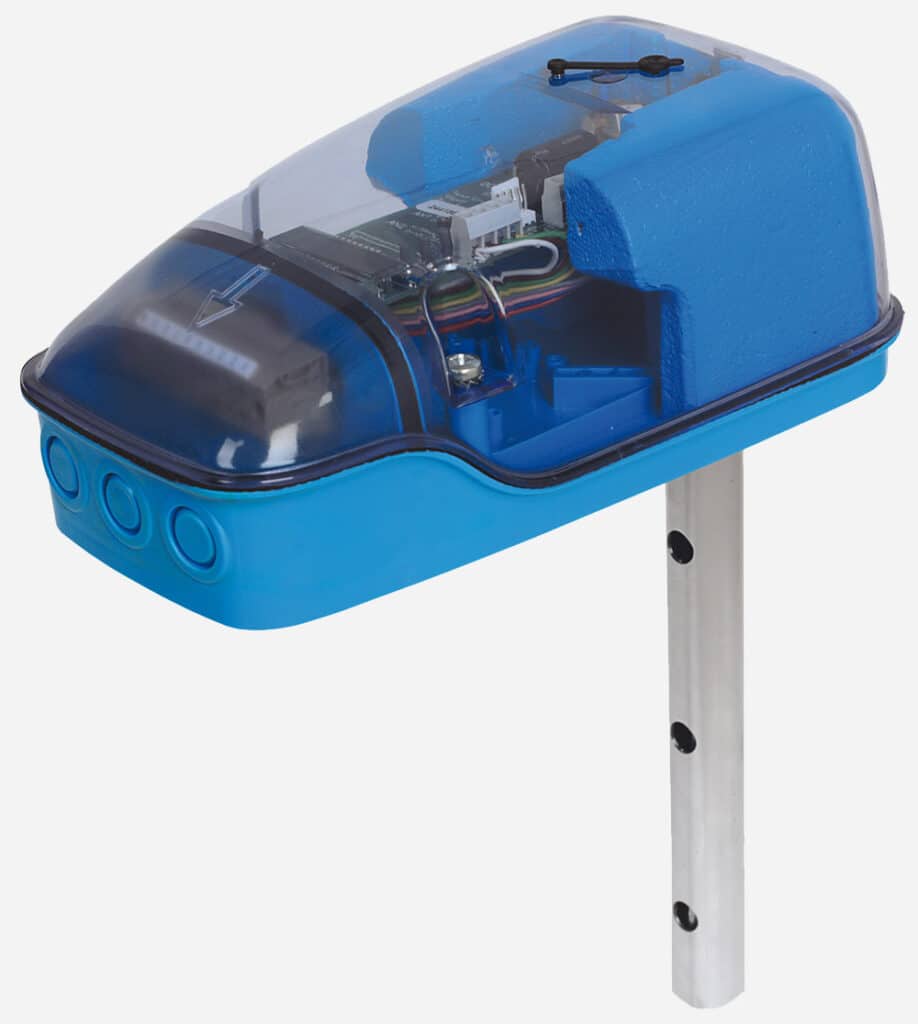
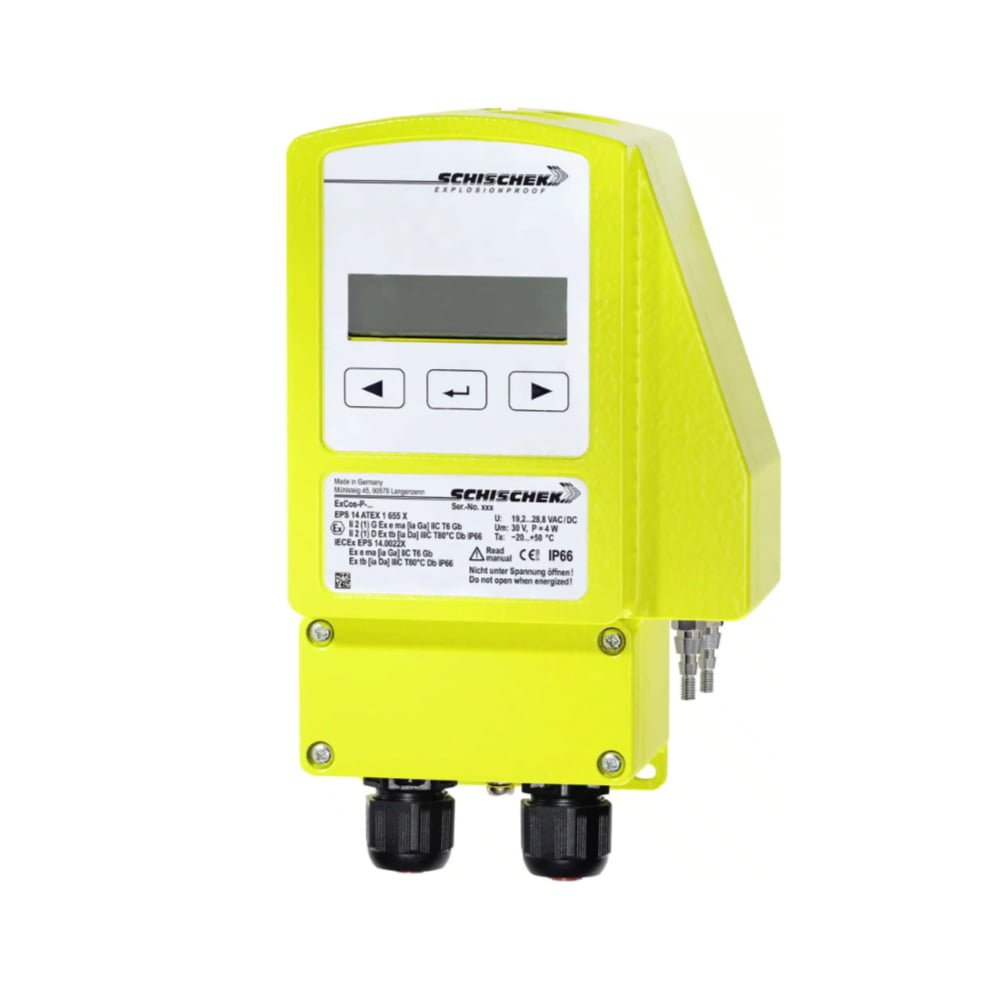
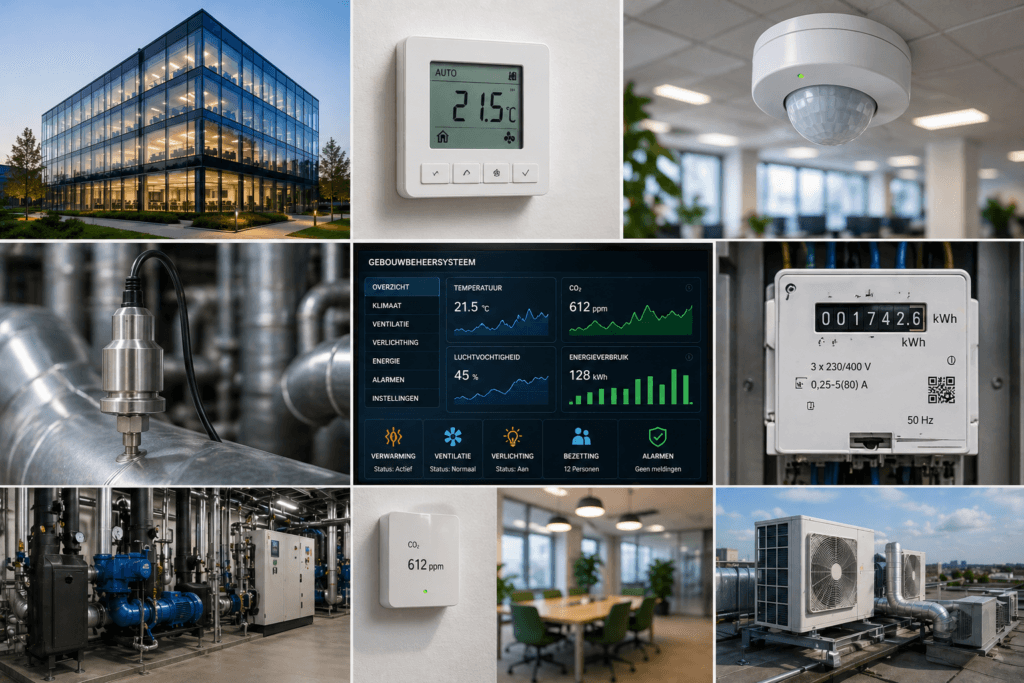
Modern buildings are all about smart control. Heating, ventilation, air conditioning, lighting and security increasingly work together automatically. And that is only possible if continuous measurements are taken. Measurement forms the basis here. No data, no control. In a building various quantities are measured. Think of temperature for climate control, humidity for comfort and to prevent mould, and CO₂ to monitor air quality. Light level and occupancy also play a role, for example to automatically control lighting. Energy consumption is also being monitored more and more to use energy more efficiently. To make this possible, different sensors are applied. Temperature sensors, pressure and flow sensors for air and water, motion detectors, light sensors and smart energy meters. Each of these components provides a piece of information, and together they form the complete picture of what is happening in a building. Those measurement data go to a building management system, often abbreviated as BMS. That system processes the data and adjusts installations where necessary. Control techniques, such as PID control loops, are often used to respond accurately to changes.
In practice this means, for example, that the heating switches on when the temperature drops, that ventilation increases when CO₂ levels are too high, or that lighting automatically turns off when a room is empty.
Why measuring makes a difference
Good measurements ensure that systems not only respond, but also operate efficiently. They help save energy, increase comfort and contribute to safety. Moreover, they make it possible to detect faults earlier and plan maintenance better. Yet measurement is not an end in itself. It remains a means to make better decisions. Not everything can be captured in numbers, and sometimes experience says as much as a measurement. The power lies in the combination. Measure where you can, and understand what you measure. Because in the end the same still applies: without measurements no insight, and without insight no smart control.